First, the real win
Before we compare the two, hear the most important thing, sister, because it is the thing that actually heals you.
The win is not konjac. The win is not cauliflower. The win is that the white rice is gone.
A mound of white rice turns into glucose in your blood within about ten minutes. Your body answers with insulin, the hormone that stores. Do that three times a day for fifteen years and your cells stop listening. That is insulin resistance, and left long enough, that is type 2 diabetes.
Both konjac and cauliflower solve that same problem. Both carry almost no carbohydrate. So whichever you pick, you have already won the battle that matters. The rest of this article is just choosing the better tool, and there is no wrong answer between the two.
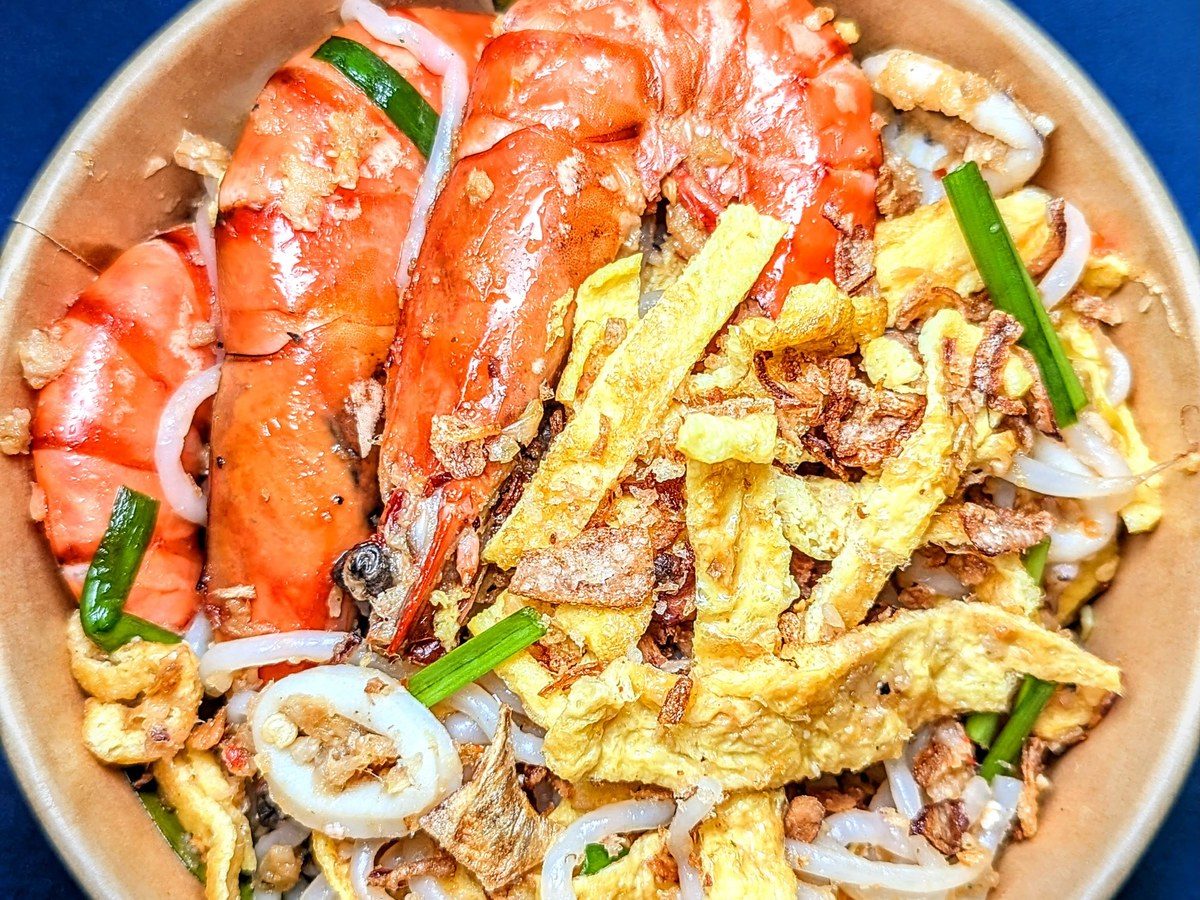
The rendang stayed. The santan stayed. The rempah stayed. Only the rice left.
What cauliflower rice actually is
Cauliflower rice is exactly what it sounds like. A head of cauliflower, grated or blitzed down until the little florets look like grains of rice. That is all it is. A vegetable, chopped small.
Because it is a real vegetable, it brings real things with it. Fibre. Vitamin C. Vitamin K. A little plant nutrition on the plate, which is never a bad thing. It is cheap, you can make it at home in five minutes with a box grater, and it fries up beautifully.
It carries a very small amount of carbohydrate, roughly a gram in a normal serving, which is nothing next to white rice. And it has one honest quirk, sister: it tastes like cauliflower. Mild, but there. Some of my sisters love that. Some cannot get past it. That is the only real thing against it.
What konjac rice actually is
Konjac is a root vegetable that has been eaten in Asia for centuries. From it we get a soluble fibre called glucomannan, and that fibre is almost all that konjac rice is made of, along with water.
Think about what that means. It is not a starch. It is fibre and water shaped like rice. So a cooked serving of konjac rice carries under a gram of net carbohydrate and almost no calories at all. It is about as close to zero as a food gets while still filling your plate.
And it has almost no taste of its own. On its own it is nothing. But cook it into your sambal, your santan, your rempah, and it drinks all of that in and disappears into the dish. This is why heritage Malay food carries so beautifully on konjac. There is no cauliflower flavour fighting your rendang. There is only your rendang.
That glucomannan fibre does something clever. It soaks up water and turns thick and gel like in your stomach, which slows how fast your stomach empties. Slower emptying means a gentler, flatter rise in blood sugar after the meal, and it means you stay full for hours instead of reaching for a snack by three in the afternoon. Fibre this viscous has been studied for exactly this, for fullness and for a softer glucose response. It is a mechanism, sister, not a miracle, and I will always tell you the difference.
The honest side by side
Here is the whole comparison in one place. Read it knowing that both columns beat white rice by a mile.
| Konjac rice | Cauliflower rice | |
|---|---|---|
| What it is | Glucomannan fibre and water | A vegetable, riced small |
| Net carbs | Almost zero | Very low |
| Keeps you full | Yes, for hours | Somewhat |
| Taste of its own | Almost none, takes the rempah | Mild cauliflower |
| Vegetable nutrients | Very little | Yes, real ones |
| Make it at home | Buy it ready | Easy, five minutes |
| Carries heritage food | Beautifully | Well, with a cauli note |
Look at that honestly, sister. There is no loser here. If you want more vegetables on your plate and you do not mind the taste, cauliflower is a wonderful choice. If you want the lowest carbohydrate, the longest fullness, and a rice that vanishes into your sambal, konjac has the edge.
Why I moved my kitchen to konjac
For a long time I served cauliflower rice, and I still love it. But when I watched my sisters closely, konjac kept winning on the two things that decide whether a plan lasts.
The first is fullness. A plan does not fail at dinner. It fails at three in the afternoon, when the hunger comes and the kuih is right there. My konjac sisters kept telling me the same thing, that they simply were not hungry between meals anymore. That is the glucomannan doing its quiet work.
The second is the food itself. Our heritage food is loud. Rempah, belacan, santan, cili api. It deserves a rice that gets out of the way and lets it sing, not one that argues with it. Konjac gets out of the way. You taste the dish your nenek would recognise, and nothing else.
So my kitchen now cooks on konjac. Not because cauliflower is wrong. Because konjac, for the sisters I feed, held them fuller and let the food taste like home, biiznillah.
The one honest catch with konjac
I will never sell you something without telling you its one flaw, sister. Konjac has one, and it is small.
Because it is so much fibre at once, a body that is not used to it can feel a little wind or bloating in the first few days. This is not the konjac harming you. It is simply your gut meeting more fibre than it is used to. So do two things: start with a normal portion, not a mountain, and drink your water. Fibre this thirsty needs water to move gently through you. Give it a few days and your body settles, and the fullness stays.
This is food and mechanism, not a promise, and I am a keto coach, not your doctor. If you are on medication for diabetes or blood pressure, never stop or change it on your own. When your food changes, your numbers can move, and your dose is your doctor's call to adjust, with you, not mine and not yours. The kitchen walks beside your medical care, never instead of it.
Three things you can do tonight, for free
You do not need to buy a single thing from me to start. Take these into your own dapur tonight. They are yours.
1. Swap the rice, keep the whole dish.
Tonight, cook exactly what your family already eats. The rendang, the sambal, the ayam. Then, instead of white rice, serve it over cauliflower rice or konjac. You will find both at the supermarket now.
Why: the lauk was never the problem. The rice was. Swap only the rice and you remove the glucose spike without removing your dinner.
2. If you pick konjac, rinse it and dry fry it first.
Konjac comes packed in water and it can smell a little when the packet opens. Rinse it well under the tap, then toss it in a dry hot pan for two or three minutes before you add it to your dish.
Why: rinsing and dry frying takes away the packet smell and the extra water, so it soaks up your rempah properly and tastes like part of the meal, not a science experiment.
3. Drink a glass of water before you eat it.
Whichever rice you choose, have your water first, and if you have gone konjac, keep drinking through the day.
Why: the glucomannan fibre works by soaking up water and swelling. Give it the water and it rewards you with hours of fullness, gently.
If you do only those three things and nothing else, your evening plate is already healed. May Allah make it easy for you, Amin.
If you want someone to cook it for you
Knowing what to do is not the same as having the time to do it, and I will not pretend otherwise.
You have children. You have work. You come home tired, and at six in the evening the honest question is not what is metabolically optimal. It is what is fastest. And that is exactly how the white rice creeps back onto the plate.
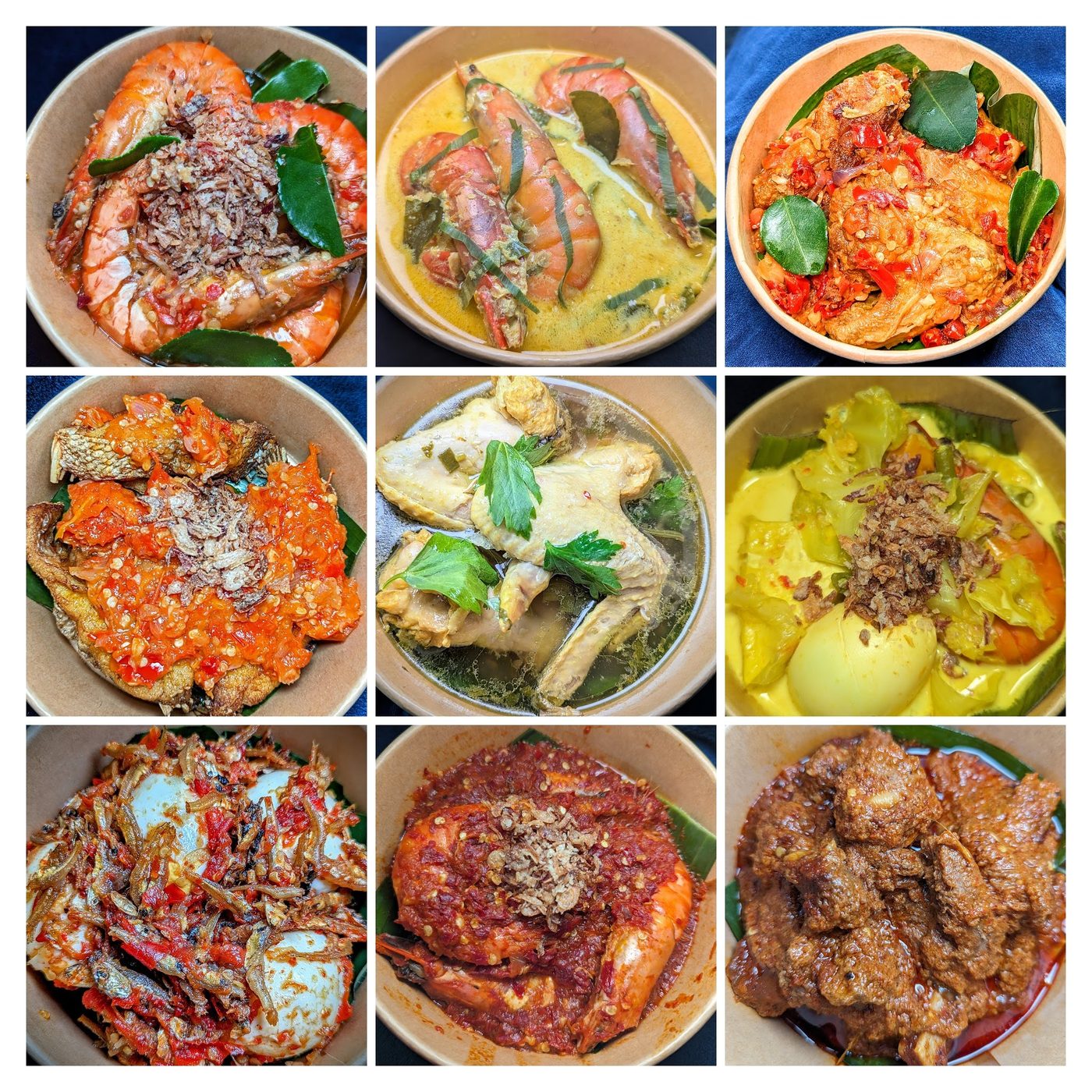
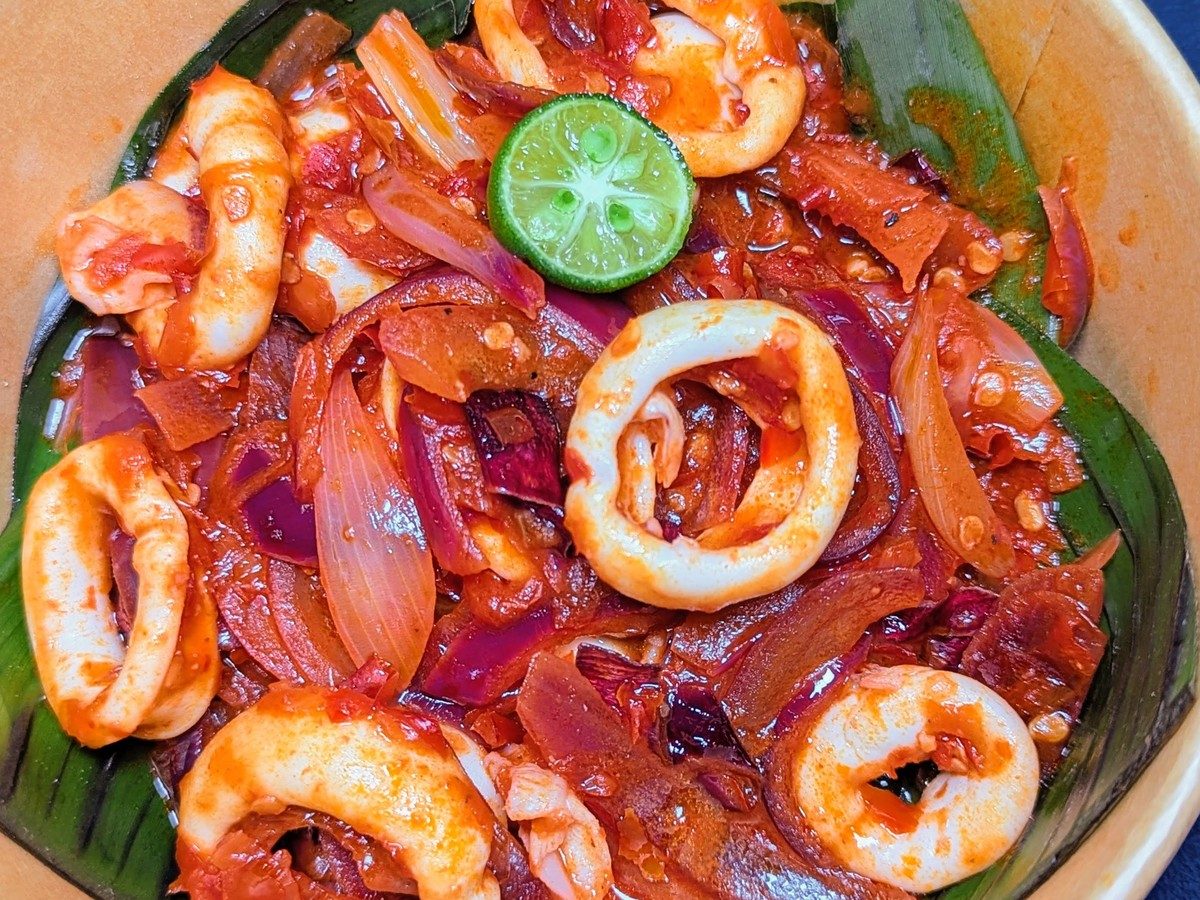
That is why I cook. Kyla With Keto is Singapore's first and only halal keto nasi campur. Heritage Malay and Indonesian dishes, cooked fresh daily, zero preservatives, zero sugar, no rice mound, served on konjac. I am a certified keto coach, and I do the heavy lifting. You eat.
The kitchen is here when you are ready, sister.
The 4 Week Metabolic Reset is where the real change happens. I cook every meal, you eat, and I walk beside you the whole way with private coaching, biiznillah.
See The Kitchen Find me on Instagram @kylawithketo, sister to sister.Questions sisters ask me
Is konjac rice keto?
Yes, and it is one of the best keto rice replacements there is. It is soluble fibre and water, with almost no net carbohydrate, so it barely touches your blood sugar.
Which is lower in carbs, konjac or cauliflower rice?
Konjac, very slightly. Both are extremely low. Konjac is closer to zero because it is made of fibre rather than a vegetable, but the gap is small and both are excellent.
Why does konjac keep me full for so long?
Its glucomannan fibre soaks up water and turns gel like in your stomach, which slows how fast your stomach empties. Slower emptying means longer fullness and a gentler rise in blood sugar after eating.
Does konjac rice taste bad?
On its own it tastes of almost nothing, and fresh from the packet it can smell a little. Rinse it, dry fry it, then cook it into your dish and it disappears into the rempah. That neutral taste is exactly why it carries heritage food so well.
Can I make konjac rice at home?
You do not make it, you buy it ready in a packet at most supermarkets now. Cauliflower rice is the one you can make at home in five minutes with a grater. That is one point in cauliflower's favour.
I have type 2 diabetes. Which should I choose?
Either one is a good step, because both replace the white rice that drives your sugar. But this is the one place I will not be casual with you: speak to your doctor first, and let them watch your numbers as your food changes, because medication can need adjusting and that is their call.
The plate is the effort. Allah is the Razzaq and the Shafi. Biiznillah.
Coach Kyla is a certified keto coach, not a medical doctor. This article is educational and is not medical advice. If you have type 2 diabetes, PCOS, high blood pressure, or any other condition, or if you are pregnant or nursing, speak with your doctor before changing how you eat, and never stop or adjust prescribed medication on your own.